Featured post

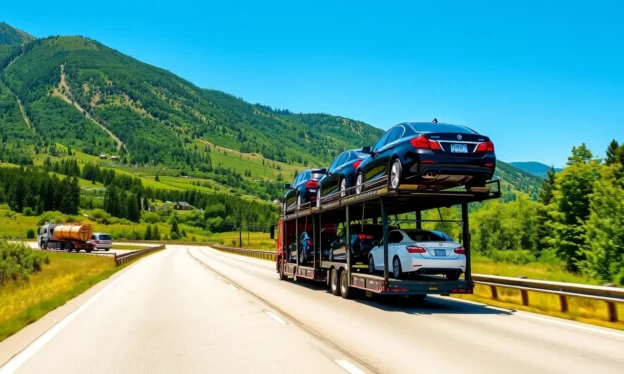
Cross Country Auto Transport: Nationwide Vehicle Shipping

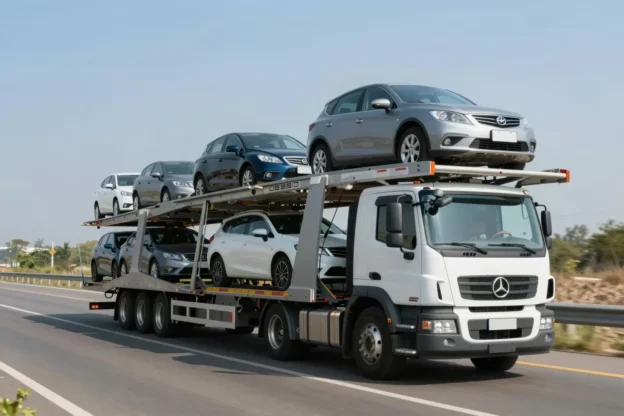
Transporting a vehicle across the country can be a challenging and complex process. Whether you’re relocating for a new job, purchasing a car from another state, or sending a vehicle to a family member, cross country auto transport services offer a reliable and efficient solution. This article explores the benefits of using professional transport services, the types of services available, and essential tips for a smooth and successful transport experience.

Benefits of Cross Country Auto Transport

1. Convenience

Cross country auto transport services handle all the logistics of moving your vehicle, saving you the hassle and stress of a long-distance drive. This convenience allows you to focus on other important aspects of your move or travel plans.

2. Safety

Professional transport companies use specialized equipment and experienced drivers to ensure your vehicle is transported safely. This minimizes the risk of accidents, damage from road debris, or wear and tear on your car.

3. Cost-Effective

While it might seem cheaper to drive your car across the country, the costs can add up quickly. Expenses such as fuel, meals, lodging, and potential vehicle maintenance can make driving more expensive than using a transport service.

4. Time-Saving

Driving across the country can take several days, depending on the distance. Using a professional transport service saves you valuable time, allowing you to fly or focus on settling into your new home.

Types of Cross Country Auto Transport Services

1. Open Carrier Transport

Open carrier transport is the most common and affordable method for shipping cars. Vehicles are loaded onto open trailers, which can carry multiple cars at once. While this method exposes vehicles to weather conditions and road debris, it remains a popular choice due to its cost-effectiveness.

2. Enclosed Carrier Transport

For those seeking extra protection for their vehicles, enclosed carrier transport is the ideal option. Cars are transported in covered trailers, shielding them from weather conditions, dirt, and road debris. This service is particularly suited for luxury, classic, or high-value vehicles.

3. Door-to-Door Transport

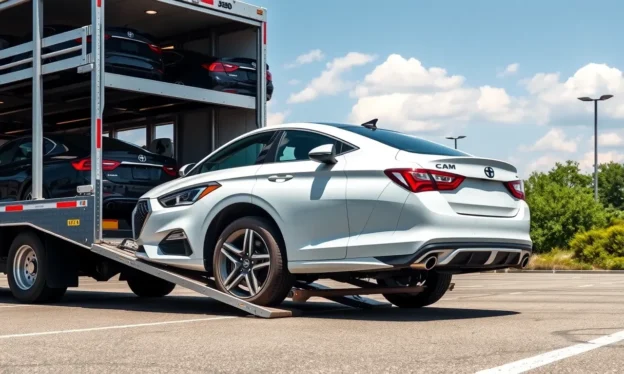
Door-to-door transport offers maximum convenience by picking up your vehicle from your specified location and delivering it directly to your new address. This service eliminates the need to drop off or pick up the vehicle at a terminal, saving you time and hassle.

4. Terminal-to-Terminal Transport

In terminal-to-terminal transport, vehicles are dropped off and picked up at designated terminals. This option is generally more affordable than door-to-door service but requires additional effort from the owner to transport the car to and from the terminals.

Preparing Your Car for Cross Country Transport

Proper preparation is key to ensuring a smooth and safe transport process. Here are some essential steps to prepare your car for shipping:

  1. Clean Your VehicleA clean car allows for a thorough inspection and accurate documentation of its condition before transport. Washing and detailing your car also helps protect the paint and finish during transit.
  2. Document the ConditionTake detailed photos of your vehicle from multiple angles, both exterior and interior. Note any existing damage, scratches, or imperfections. This documentation will be essential for insurance claims if any new damage occurs during shipping.
  3. Remove Personal ItemsRemove all personal items and valuables from the car to prevent loss or damage. Transport insurance typically does not cover personal belongings left in the vehicle.
  4. Check for Leaks and Mechanical IssuesEnsure your car is in good working condition and free of leaks to avoid complications during transport. Address any mechanical issues before shipping.
  5. Disable Alarms and Toll TagsDisable any alarms to prevent them from going off during transport, and remove toll tags to avoid unnecessary charges and disruptions.

Choosing the Right Cross Country Auto Transport Service

Selecting the right transport service is crucial to ensuring the safe and secure transport of your car. Here are some factors to consider:

1. Reputation and Reviews

Research the reputation of the transport company by checking reviews and ratings on platforms like the Better Business Bureau, Trustpilot, and Google Reviews. Positive feedback and high ratings often indicate reliable service.

2. Experience and Expertise

Choose a company with a proven track record of handling cross country auto transport. Experienced companies understand the specific needs and challenges of transporting vehicles over long distances.

3. Insurance Coverage

Ensure the company offers comprehensive insurance coverage that adequately protects your vehicle during transit. Verify the details of the insurance policy and confirm that it aligns with your needs.

4. Transport Options

Opt for the transport option that best suits your needs, whether it’s open or enclosed transport, door-to-door service, or terminal-to-terminal shipping.

5. Customer Service

Good customer service is essential for a smooth transport experience. Choose a company that is responsive, transparent, and willing to answer all your questions. Reliable customer support can make a significant difference in case of any issues during transport.

Conclusion

Transporting your car across the country involves careful planning and choosing the right service provider. By understanding the benefits, preparing your vehicle properly, and selecting the best transport option for your needs, you can ensure a smooth, safe, and stress-free experience.

At Co-Transport, we specialize in providing reliable and efficient cross country auto transport services. For more information or to request a quote, please contact us. We look forward to serving you and ensuring your vehicle reaches its destination safely and on time.
how to start a car transport business

Starting a car transport business‚ also known as vehicle shipping or auto transport‚ can be a lucrative venture given the increasing demand for vehicle relocation services․ This comprehensive guide will walk you through the essential steps to establish a successful car transport business․ Let’s dive into the fundamentals‚ including logistics‚ business planning‚ licensing‚ and more․

Understand the Industry

Before diving into the car transport business‚ it’s crucial to understand the industry trends․ The auto transport industry is influenced by factors such as economic conditions‚ fuel prices‚ and consumer demands․ Staying updated on these trends will help you anticipate challenges and opportunities in the market․

Develop a Solid Business Plan

A well-crafted business plan is critical for your success․ Your plan should include:

  • Market Analysis: Identify your target market‚ competitors‚ and potential clients․
  • Operational Plan: Outline the logistics‚ including vehicle acquisition‚ fleet management‚ and route planning․
  • Financial Projections: Estimate startup costs‚ revenue‚ and expenses․ Consider pricing models that are competitive yet profitable․
  • Marketing Strategies: Develop strategies to attract customers and build brand awareness․

Licensing and Insurance

Legal compliance is a cornerstone of your business:

  • Licensing: Obtain the necessary licenses‚ such as a USDOT number and Motor Carrier (MC) number from the Federal Motor Carrier Safety Administration (FMCSA)․
  • Insurance: Secure comprehensive insurance to cover potential liabilities‚ including cargo insurance‚ liability insurance‚ and vehicle insurance․

Build a Reliable Fleet

Your fleet is the backbone of your business․ Consider these aspects:

  • Vehicle Acquisition: Decide whether to purchase or lease vehicles․ Consider the benefits of owning versus leasing․
  • Fleet Management: Implement systems to monitor and manage your fleet’s maintenance and efficiency․
  • Truck Maintenance: Regular maintenance is crucial to ensure safety and reliability․

Establish a Carrier Network

Building a strong carrier network is essential for expanding your reach and capabilities․ Collaborate with other carriers to handle increased loads and offer competitive pricing․

Route Planning and Dispatch

Efficient route planning and dispatching are vital to minimizing costs and maximizing efficiency:

  • Use dispatch software to streamline operations and track shipments․
  • Optimize routes to reduce fuel consumption and delivery times․

Pricing Models and Customer Service

Competitive pricing and exceptional customer service are key to attracting and retaining clients:

  • Develop flexible pricing models based on factors such as distance‚ vehicle type‚ and service level․
  • Prioritize customer service by providing clear communication‚ timely updates‚ and resolving issues promptly․

Leverage Load Boards and Freight Brokers

Utilize load boards and work with freight brokers to find and book shipments․ These platforms can help you fill empty truck space and maintain a steady flow of business․

Understand Transportation Regulations

Stay informed about transportation regulations to ensure compliance and avoid legal issues․ This includes adhering to safety standards‚ driver hours of service‚ and environmental regulations․

Manage Startup Costs

Carefully plan your startup costs to ensure financial stability․ Consider expenses such as vehicle purchases‚ licensing fees‚ insurance premiums‚ marketing‚ and operational costs․

Secure Client Contracts

Establish client contracts to formalize agreements and protect your business interests․ These contracts should outline terms of service‚ pricing‚ and responsibilities of both parties․

Starting a car transport business requires careful planning‚ strategic execution‚ and a keen understanding of the industry․ By focusing on logistics‚ licensing‚ fleet management‚ and customer satisfaction‚ you can build a successful auto transport business․ Stay adaptable to industry changes and continuously seek ways to improve your operations and services․

how does the president’s car get transported

Transporting the President of the United States involves a complex network of transport logistics and security protocols․ At the heart of this intricate system is the Presidential limousine, often referred to as “The Beast”․ The process of moving this crucial vehicle from one location to another is a carefully orchestrated operation involving multiple agencies, primarily the Secret Service․

The Role of Air Force One

The President’s aircraft, known as Air Force One, plays a pivotal role in the transportation logistics of the Presidential limousine․ While Air Force One is primarily for the President’s air travel, it is part of a larger transportation protocol that includes ground transportation upon arrival․ The limousine itself does not travel on Air Force One, but its journey is coordinated to coincide with the President’s travel schedule․

Transport Logistics and Ground Transportation

The logistics planning for the President’s ground transportation involves a specialized vehicular convoy․ This convoy includes multiple armored vehicles, secure transport vehicles, and a security detail to ensure the President’s safety․ The convoy is carefully planned to move seamlessly from one location to another, maintaining a high level of security at all times․

Secret Service and Security Measures

The Secret Service is responsible for the overall security measures and logistics coordination involved in transporting the Presidential limousine․ This includes conducting route surveys, risk assessments, and coordinating with local law enforcement agencies; Ensuring secure transport requires meticulous attention to detail and the ability to adapt to changing circumstances․

The Motorcade and Armored Vehicles

The Presidential motorcade is a highly visible aspect of the President’s travel․ It consists of a series of armored vehicles designed to withstand various threats․ These vehicles are part of a secure transport system that includes decoy vehicles and an array of support vehicles, all working in concert to protect the President․

Logistics Planning and Transportation Protocol

The logistics planning for transporting the President’s car is a complex operation that requires coordination across multiple agencies․ Transportation protocol dictates that the Presidential limousine is often transported via military aircraft such as a C-17 Globemaster or C-5 Galaxy․ These aircraft are capable of carrying the heavy, armored vehicles needed for the motorcade․

Logistics Coordination and Specialized Transport

Logistics coordination involves specialized transport teams that are tasked with ensuring the safe and timely arrival of the Presidential limousine․ This includes loading and unloading the vehicle from the aircraft, as well as ensuring that all security measures are in place during transit․

The process of transporting the President’s car is a testament to the intricate logistics coordination and security measures that are required to protect the leader of the free world․ From the air travel on Air Force One to the ground transportation logistics involving a vehicular convoy, every aspect is meticulously planned and executed; The use of armored vehicles and a dedicated security detail underscores the importance of secure transport in safeguarding the President․ Through careful logistics planning and coordination, the Presidential limousine is transported efficiently and safely to ensure the President’s mobility and security wherever he travels․

is it safe to transport propane tank in car

Transporting a propane tank in a car may be necessary for various reasons, such as refilling your grill’s fuel supply or preparing for a camping trip. However, ensuring the safe transport of such flammable materials involves understanding and adhering to essential safety guidelines and regulations. This article explores the factors to consider, potential risks, and safety precautions when transporting a propane tank in a vehicle.

Understanding Propane and Its Hazards

Propane is a highly flammable gas commonly used for heating, cooking, and as fuel for engines. When transporting propane, the primary concerns are safety and legal compliance. Propane tanks are designed to securely store this gas, but improper handling or transport can lead to serious hazards such as leakage or explosion. Understanding these risks is crucial to prevent accidents.

Potential Risks and Hazards

  • Flammability: Propane gas is highly flammable. A leak in a confined space like a car can lead to dangerous concentrations of gas.
  • Leakage: Improperly sealed or damaged tanks can leak, creating a risk of fire or explosion;
  • Pressure: Propane tanks are pressurized. Exposure to high temperatures can increase internal pressure, potentially causing the tank to rupture.

Safety Guidelines for Transporting Propane Tanks

Vehicle Preparation

Before transporting a propane tank, ensure your vehicle is prepared:

  • Ventilation: Ensure adequate ventilation in your vehicle. Open windows to prevent the accumulation of propane gas in case of a leak.
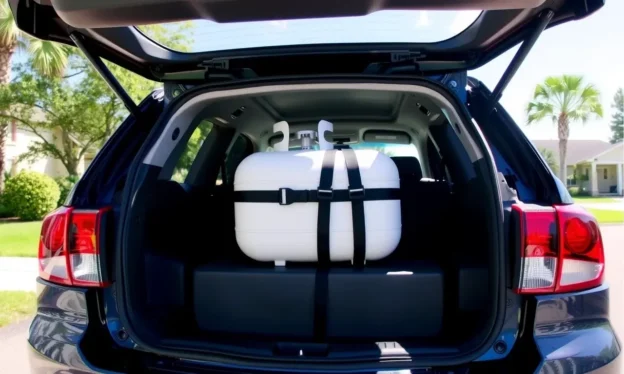
  • Secure Positioning: Place the tank upright and secure it with straps or bungee cords to prevent movement.
  • Temperature Control: Avoid placing the tank in direct sunlight or near heat sources. High temperatures can increase the pressure inside the tank.

Handling and Transport

Follow these precautions during handling and transport:

  • Check for Leakage: Inspect the tank for any signs of leakage or damage before transport.
  • Install Safety Caps: Ensure the tank’s valve is closed and install safety caps on the valve to prevent accidental release of gas.
  • Compliance with Transport Laws: Familiarize yourself with local transport laws and regulations regarding the movement of propane tanks in vehicles.

Emergency Preparedness

Be prepared for emergencies with these steps:

  • Emergency Kit: Carry a fire extinguisher suitable for flammable gas fires.
  • Know the Signs: Be aware of the smell of propane (similar to rotten eggs) as an indicator of a leak.
  • Immediate Action: If you suspect a leak, stop the vehicle, evacuate the area, and contact emergency services.

Storage and Long-Term Considerations

If you need to store a propane tank, consider these guidelines:

  • Outdoor Storage: Store tanks outdoors in a well-ventilated area, away from living spaces and potential ignition sources.
  • Avoid Enclosures: Never store tanks in enclosed areas like garages or sheds where gas could accumulate.
  • Regular Inspections: Regularly inspect tanks for rust, corrosion, or damage that could lead to leaks.

Transporting a propane tank in a car can be done safely with proper precautions and an understanding of the associated risks. By adhering to safety guidelines, securing the tank, and maintaining awareness of potential hazards, you can minimize the risk of accidents. Always prioritize safety and legal compliance when handling and transporting flammable materials like propane. In the event of an emergency, quick and informed actions are crucial to ensuring your safety and the safety of those around you.

how to transport flower arrangements in a car

Transporting flower arrangements in a car can be a challenging task, especially when you want to maintain the flower freshness and the integrity of the floral arrangements. Whether you are a florist delivering to a client or simply moving a bouquet to a special event, there are several important factors to consider to ensure a safe and successful journey. This article will guide you through the key aspects of flower transportation, focusing on the car interior setup, stability, safety, and other important considerations.

Preparing the Car Interior

The first step in transporting flowers is preparing the car interior. It’s essential to clean the area where the flowers will be placed to avoid any dirt or debris that could damage the arrangements. Consider the following:

  • Ensure the car is at a comfortable temperature to avoid wilting the flowers. This is critical for maintaining flower freshness.
  • Lay down non-slip mats to prevent the arrangements from sliding around during transport.
  • Check the climate control settings to provide an optimal environment for the flowers, avoiding extreme heat or cold.

Using Secure Containers

When transporting flowers, it’s crucial to use secure containers to hold the arrangements. These containers should be sturdy and capable of keeping the flowers upright. Consider the following features:

  • The container should be watertight to prevent water spillage during transit.
  • Opt for containers that have a wide base for added stability.
  • Use containers with a snug fit to minimize movement.

Ensuring Stability and Safety

To prevent damage to the floral arrangements, ensuring their stability and safety is paramount. Here are some strategies:

  • Secure arrangements with seat belts if possible, which can help keep them in place during stops and turns.
  • Use cushioning material such as foam or bubble wrap around the arrangements to absorb shocks from vehicle movement.
  • Consider using protective packaging like cardboard boxes to shield the arrangements from direct sunlight and temperature changes.

Dealing with Temperature and Climate Conditions

Flowers are sensitive to temperature control and climate conditions, which can significantly affect their freshness. Here are some tips:

  • Keep the car’s air conditioning on during hot days to prevent wilting.
  • In cold weather, ensure the car is warmed up before placing the flowers inside.
  • Avoid placing flowers near air vents where direct air flow might dry them out.

Protecting the Arrangement

Finally, protecting the arrangement itself is crucial for ensuring it arrives in perfect condition. Here are some protective measures:

  • Use a light plastic or paper cover to shield the blooms from wind and debris.
  • Check the arrangements frequently during transport to ensure they remain secure and undamaged.
  • Consider the arrangement protection needs based on the type of flowers and their fragility.

Transporting flower arrangements requires careful planning and consideration of various factors such as stability, safety, and temperature control. By preparing the car interior, using secure containers, ensuring stability with seat belts and cushioning material, and paying attention to climate conditions, you can ensure that your floral arrangements arrive fresh and beautiful. These practices not only protect the aesthetic integrity of the arrangements but also enhance overall flower transportation safety and efficiency.

how to transport a puppy in the car

Transporting a puppy in the car requires careful planning and consideration to ensure the safety and comfort of your furry friend. Whether you’re heading to the vet, going on a road trip, or just running errands, it’s important to keep pet safety in mind. This guide will provide you with essential tips on puppy transport using appropriate travel gear, like dog carriers, travel crates, and vehicle restraints.

Preparing for Car Travel with Your Puppy

Before you hit the road, proper travel preparation is crucial. Here are some steps to ensure a smooth journey:

  • Acclimation: Gradually introduce your puppy to car travel by taking short trips to help reduce anxiety.
  • Choose the Right Travel Gear: Select a suitable dog carrier or travel crate that provides comfort and security.
  • Vehicle Restraint: Utilize a seatbelt harness or pet barrier to keep your puppy secure during travel.

Choosing the Right Dog Carrier or Travel Crate

A dog carrier or travel crate is essential for puppy transport. Consider the following factors:

  • Size: Ensure the carrier is spacious enough for your puppy to stand, turn, and lie down comfortably.
  • Ventilation: Look for carriers with ample ventilation to keep your puppy cool and comfortable.
  • Security: Secure the carrier to the vehicle to prevent it from sliding during travel.

Using Vehicle Restraints

Vehicle restraints such as seatbelt harnesses and pet barriers are essential for pet safety. They help prevent injuries in case of sudden stops or accidents. Choose restraints that are comfortable and easy to use.

Ensuring Comfort and Safety During Travel

Your puppy’s comfort is just as important as safety. Here are some tips to enhance your puppy’s travel experience:

  • Hydration: Keep water accessible to your puppy during the trip to prevent dehydration.
  • Breaks: Plan regular breaks for bathroom and exercise to reduce restlessness and anxiety.
  • Motion Sickness: Consult your vet for tips on managing motion sickness, and avoid feeding your puppy right before travel;

Reducing Anxiety

Traveling can be stressful for puppies. To reduce anxiety, consider the following:

  • Familiar Items: Bring along your puppy’s favorite blanket or toy for comfort.
  • Gradual Exposure: Slowly increase the duration of trips to build confidence and comfort.

Selecting a Pet-Friendly Vehicle

Choosing a pet-friendly vehicle can make a significant difference in your puppy’s travel experience. Look for vehicles with features like:

  • Ample Space: Ensure there is enough room for your puppy’s carrier or crate.
  • Climate Control: Maintain a comfortable temperature with air conditioning or heating.

Additional Travel Tips

Here are some additional tips to ensure a pleasant journey for both you and your puppy:

  • Secure All Travel Gear: Double-check that all travel gear is securely fastened before departure.
  • Plan Your Route: Avoid high-traffic areas and choose routes with pet-friendly rest stops.

By following these guidelines, you can ensure a safe and enjoyable car travel experience for your puppy. Remember, proper preparation and the right travel gear are key to successful puppy transport. Whether it’s a short trip to the vet or an extended road trip, prioritizing pet safety and comfort will make the journey more pleasant for everyone involved.

how much does car transporters make

The logistics industry is a crucial aspect of modern commerce, and car transportation plays a significant role in this sector․ Understanding the financial aspects of car shipping income and the earnings potential for those involved is essential for anyone considering a career in this field․ This article explores various facets of financial compensation within the car transport sector, examining transporter salary, vehicle hauling earnings, and more․

Overview of Car Transporter Earnings

Car transporters are responsible for moving vehicles from one location to another, often across long distances․ The income for those involved in this profession varies based on several factors, including experience, region, and the type of transport service provided․

Transporter Salary

The salary of a car transporter can vary widely․ Entry-level positions might offer a modest income, while experienced transporters could see a significant increase in their earnings․ The average transporter salary typically ranges from $30,000 to $60,000 annually, although this can vary based on additional factors such as overtime and bonuses;

Vehicle Hauling Earnings

Vehicle hauling earnings are influenced by the number and type of vehicles transported․ Transporters who specialize in luxury or oversized vehicles may command higher rates․ On average, earnings for vehicle haulers can range from $50,000 to $80,000 per year, depending on the volume of work and the distances covered․

Factors Influencing Auto Transport Pay

Several factors affect auto transport pay, including:

  • Experience: More experienced drivers often earn higher wages due to their proven track record and skills․
  • Region: Transporters in urban areas or regions with high demand for vehicle transport services might earn more due to increased competition and cost of living․
  • Type of Vehicles: Specialized transport, such as luxury cars or heavy-duty vehicles, can yield higher pay․
  • Distance: Long-distance hauls typically offer higher earnings compared to short-distance jobs․

Logistics Industry Wages

The logistics industry is vast, and wages within this sector can vary dramatically․ Car carriers and transport companies often set their compensation based on industry standards and market demand․ Logistics industry wages can also be influenced by economic conditions and fluctuations in fuel prices․

Car Carrier Revenue

Car carriers generate revenue through contracts with auto manufacturers, dealerships, and private clients․ The revenue model typically involves charging per mile or per vehicle․ Car carrier revenue can be substantial for established companies, allowing them to offer competitive driver wages and invest in fleet expansion․

Freight Transportation Profitability

Freight transportation profitability hinges on efficient route planning, cost control, and effective management of resources․ Companies that optimize these aspects can enhance their profitability, subsequently offering better automotive delivery compensation to their employees․

Automotive Delivery Compensation

Compensation for automotive delivery can include base pay, bonuses, and incentives․ Bonuses may be offered for timely deliveries, excellent customer service, or achieving certain mileage thresholds․ This compensation structure aims to motivate drivers and ensure high-quality service․

Trucking Income and Driver Wages

Trucking income for car transporters is generally competitive, with driver wages reflecting the skills and responsibilities involved․ Truck drivers transporting vehicles often earn more than those in general freight due to the specialized nature of the job․ Driver wages can range from $40,000 to $70,000 annually, with opportunities for overtime and bonuses․

Transport Business Profit and Carrier Company Earnings

Running a transport business involves balancing operational costs with revenue generation․ Carrier company earnings are influenced by factors such as fleet size, market demand, and operational efficiency․ Successful transport businesses can achieve substantial profit margins, contributing to industry growth and stability․

Vehicle Logistics Salary

Vehicle logistics salaries encompass various roles within the transport sector, from drivers to dispatchers and logistics managers․ Salaries in this field reflect the complexity and critical nature of logistics operations․ A vehicle logistics salary can range from $40,000 for entry-level positions to over $100,000 for experienced managers․

Car Hauler Pay

Car haulers, responsible for the safe and efficient transport of vehicles, often receive competitive pay that reflects their skills and experience․ Car hauler pay can vary based on the type of vehicles transported and the distances covered, with earnings ranging from $50,000 to $90,000 annually․

The car transport industry offers a range of income opportunities for those involved, from entry-level positions to experienced haulers and logistics professionals․ Transport service income is influenced by various factors, including experience, location, and the nature of the work․ With the right skills and dedication, individuals in this field can achieve a rewarding and profitable career․

how do you transport a dog in a car

Traveling with your canine companion can be a rewarding experience if done safely and comfortably. Here, we will explore the various methods and accessories available for ensuring pet safety during car travel.

Choosing the Right Dog Carrier or Travel Crate

A dog carrier or travel crate is essential for secure canine transport in a vehicle. These enclosures provide a safe space for your dog and prevent them from roaming freely in the car. When selecting a crate, consider the following:

  • Size: Ensure the crate is large enough for your dog to stand, turn around, and lie down comfortably.
  • Material: Opt for sturdy materials that can withstand impact and provide ventilation.
  • Attachment points: Look for crates with secure attachment options to keep them stable during travel.

Using a Seat Belt Harness

If a crate is not feasible, a seat belt harness is a great alternative. This dog restraint attaches to the vehicle’s seat belt system, keeping your dog secure while allowing them some freedom of movement. When selecting a harness:

  • Fit: Ensure the harness fits snugly without being too tight.
  • Durability: Choose a harness made of robust materials with strong buckles.
  • Comfort: Look for padding to prevent chafing and enhance comfort.

Installing Vehicle Pet Barriers

Vehicle pet barriers are useful for separating the back seat from the cargo area, especially in SUVs or hatchbacks. These barriers prevent pets from distracting the driver while still providing ample space for them to move.

Car Travel Tips for a Comfortable Journey

Ensuring your dog’s comfort during a road trip is crucial. Here are some tips to make the journey pleasant for both you and your pet:

  • Back seat protector: Use a back seat protector to keep your seats clean and provide a comfortable surface for your dog to rest on.
  • Pet-friendly vehicle: Choose a pet-friendly vehicle with ample space and ventilation options.
  • Hydration tips: Keep your dog hydrated by offering water during breaks. Consider a spill-proof bowl.
  • Car sickness prevention: To prevent car sickness, avoid feeding your dog just before the trip and offer small, frequent meals if necessary.

Pet Travel Accessories for Safety and Comfort

Several pet travel accessories can enhance safety and comfort during car trips. These include:

  • Dog leash attachment: Useful for short stops, allowing you to secure your dog outside the vehicle.
  • Secure dog crates: Ensure they are fastened properly for maximum safety.
  • Ventilation: Use window shades or fans to maintain a cool environment inside the car.

Transporting your dog in a car requires careful planning and the right equipment to ensure a safe and comfortable journey. By using appropriate restraints like dog carriers, travel crates, or seat belt harnesses, you can minimize distractions and maximize safety. Additionally, consider vehicle pet barriers and other travel essentials to enhance the travel experience for your furry friend. With these tips, you can enjoy a worry-free road trip with your beloved pet.

how to transport tv in car

Transporting a television, especially a flat-screen TV, requires careful planning and execution to ensure its safety. Whether you’re moving to a new home or simply need to transport a TV across town, understanding the right techniques and using the proper packing materials is crucial. This guide will provide you with essential moving tips to ensure secure transport and prevent screen damage.

Preparation for Transport

Before you begin the process of moving your TV, it’s important to prepare adequately. This involves gathering the necessary packing materials and understanding the steps needed to protect your TV during transit.

Gathering Packing Materials

  • TV Box: Ideally, use the original TV box if you still have it. If not, purchase a box specifically designed for televisions.
  • Protective Blankets: These will cushion the TV and provide an additional layer of protection.
  • Secure Straps: Use these to minimize movement and keep the TV stable during transport.
  • Screen Protection: Consider using bubble wrap or foam to protect the screen from scratches and impacts.

TV Stand Removal

Before packing your TV, remove the TV stand or any mounting brackets. This will make it easier to pack and prevent potential damage to the stand or the screen. Keep all screws and small parts in a labeled bag for easy reassembly later.

Loading Techniques for Vehicle Stability

How you load the TV into your vehicle is critical to ensuring its safety. Follow these steps to ensure proper TV placement and secure transport:

TV Orientation and Placement

  • Vertical Positioning: Always transport the TV in an upright position. Laying it flat can increase the risk of screen damage due to vibrations and jolts.
  • Central Placement: Place the TV in the center of the vehicle, where it is less likely to be affected by sudden stops or turns.

Using Secure Straps

Once the TV is placed in the vehicle, use secure straps to anchor it in place. This will help minimize movement and maintain vehicle stability. Tighten the straps to ensure the TV doesn’t shift during transport.

Cushioning and Screen Damage Prevention

Protective measures are necessary to cushion the TV and prevent screen damage during the journey. Here are some additional tips:

Protective Blankets

Wrap the TV in protective blankets to cushion it from any impact. Ensure that the blankets cover all sides of the TV, especially the corners, which are more susceptible to damage.

Bubble Wrap or Foam Padding

For added screen protection, place bubble wrap or foam padding directly over the screen before wrapping the TV in blankets. This provides an extra layer of defense against scratches and impacts.

Transporting Fragile Items Safely

In addition to the TV, you may be transporting other fragile items. It’s important to ensure all items are packed securely to avoid damage:

  • Separate Fragile Items: Keep the TV separate from other fragile items to prevent them from bumping into each other.
  • Padding Between Items: Use soft materials like blankets or pillows between items to prevent them from shifting and causing damage.

Transporting a TV in a car requires careful planning and the right techniques to ensure car safety and the protection of your flat-screen TV. By following these moving tips, using the proper packing materials, and implementing secure transport methods, you can prevent screen damage and ensure your TV arrives at its destination safely.

Remember, preparation and attention to detail are key to a successful move. By removing the TV stand, using protective blankets, securing the TV with straps, and ensuring proper TV orientation, you can transport your TV with confidence. Safe travels!

how to transport dog in car

Traveling with your dog can be a fun and rewarding experience, but it’s important to ensure that your furry friend is safe and comfortable while on the road. In this article, we’ll explore effective methods and essential tools for canine transport, focusing on safety, comfort, and convenience.

Pet Carrier: A Must-Have for Dog Safety

A pet carrier is an essential item when transporting your dog in a car. It provides a secure space where your pet can feel safe and protected. Make sure to choose a carrier that is the right size for your dog, allowing them to stand, turn around, and lie down comfortably. A well-ventilated carrier will ensure that your dog has plenty of ventilation during the trip.

Seatbelt Harness: Keeping Your Dog Secure

A seatbelt harness is another effective way to keep your dog secure during a car ride. This harness attaches to the vehicle’s seatbelt system, preventing your dog from moving around the car. It also protects your pet in case of sudden stops or accidents, adding an extra layer of safety.

Travel Crate: A Comfortable Option

A travel crate is a great option for long drives. It provides a cozy space where your dog can relax and feel secure. Just like a pet carrier, ensure that the crate is well-ventilated and the right size for your dog. For added comfort, place a soft blanket or dog seat cover inside the crate.

Vehicle Restraint: Ensuring No Distractions

Vehicle restraint systems are crucial for creating a distraction-free environment. Dogs can become excited during trips, which can be distracting for the driver. Utilizing restraints such as pet barriers or seatbelt harnesses can help keep your dog in the backseat, minimizing distractions and ensuring a safer journey.

Pet Barrier: Separating Spaces

A pet barrier is ideal for separating the backseat from the front, keeping your pet safely contained. This prevents your dog from jumping into the front seat, reducing the risk of accidents and allowing you to focus on the road.

Comfort and Climate Control

Ensuring your dog’s comfort is vital during car travel. Use climate control to maintain a comfortable temperature in the car. Avoid extreme temperatures and ensure your dog is not directly exposed to air conditioning vents.

Dealing with Motion Sickness

Some dogs experience motion sickness during car rides. To minimize this, avoid feeding your dog right before a trip and consider short trips initially to acclimate them. Consult your vet about possible calming aids if your dog experiences severe discomfort.

Preparing for Short Trips vs. Long Drives

For short trips, ensure your dog is secured and comfortable, with adequate ventilation and restraint. For long drives, plan for breaks every couple of hours to let your dog stretch and relieve themselves. Always have water available to keep your dog hydrated.

Transporting your dog safely and comfortably in a car requires the right equipment and preparation. From pet carriers to seatbelt harnesses, each tool plays a crucial role in ensuring your pet’s safety and comfort. By following these guidelines, you can make sure that your canine companion enjoys the journey as much as you do. Happy travels!

how to transport a mattress on a car

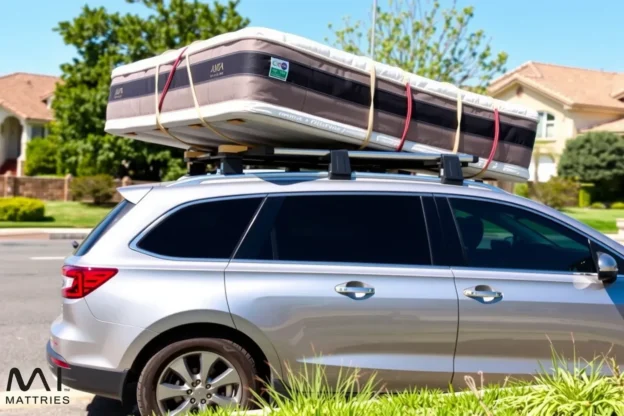
Transporting a mattress, whether it’s a foam, spring, queen-size, or king-size, can be a daunting task if you don’t have access to a moving truck. However, with the right equipment and precautions, you can safely transport a mattress using a car, such as a compact sedan or an SUV, by securing it properly on a roof rack. In this article, we’ll provide detailed instructions and guidelines to help you move your mattress securely and safely.

Essential Equipment Needed

Before you begin, gather the necessary equipment to ensure a smooth and safe transport:

  • Roof Rack: A sturdy roof rack is essential for supporting the mattress on your vehicle.
  • Straps: Heavy-duty tie-down straps are crucial for securing the mattress. Avoid using bungee cords as they may not provide adequate tension.
  • Blanket: Use a blanket for protection to prevent damage to both the mattress and the vehicle’s roof.
  • Knots: Familiarize yourself with reliable knots to ensure the straps do not loosen during transit.

Preparing the Mattress

Before placing the mattress on the roof of your vehicle, it’s important to prepare it properly:

  1. Remove Bedding: Strip the mattress of all bedding and covers.
  2. Wrap in a Blanket: Use a blanket to wrap the mattress, providing an extra layer of protection against dirt and potential tears.
  3. Consider a Mattress Bag: For additional protection, consider using a mattress bag, especially if the weather conditions are not favorable.

Loading the Mattress

Follow these steps to load the mattress onto the roof rack of your vehicle:

  1. Lift Carefully: With the help of another person, lift the mattress onto the roof rack. Make sure to handle it gently to avoid damaging any foam or spring components.
  2. Position Evenly: Center the mattress on the roof rack, ensuring that it is evenly balanced to prevent shifting during the drive.

Securing the Mattress

Properly securing the mattress is crucial for safe transport:

  1. Use Tie-Down Straps: Secure the mattress with heavy-duty straps. Pass the straps over the mattress and under the roof rack, tightening them firmly.
  2. Check Knots: Ensure the knots are tight and secure. Double-check each strap to prevent them from coming loose.
  3. Test Stability: Gently shake the mattress to test its stability. If it shifts, tighten the straps further.

Driving with the Mattress

Once the mattress is securely fastened, it’s time to transport it to your destination:

  • Plan Your Route: Choose a route with minimal highway driving to reduce wind resistance and increase safety.
  • Drive at Safe Speeds: Maintain a moderate speed, especially when driving on highways, to prevent the mattress from being affected by wind resistance.
  • Check Periodically: Stop occasionally to inspect the straps and knots, ensuring everything remains secure during the journey.

Additional Safety Guidelines

Keep these safety tips in mind to ensure a smooth transport:

  • Avoid transporting the mattress in adverse weather conditions, such as high winds or rain.
  • Ensure there is no overhang that could obstruct your view or affect the balance of the vehicle.
  • Be mindful of the weight limit of your vehicle’s roof rack to avoid any strain or damage.

Transporting a mattress on a car requires careful planning and the right equipment. By following these instructions and taking necessary precautions, you can move your mattress safely and efficiently. Always prioritize safety, ensuring that the mattress is securely tied down and well-protected during the drive. Remember, the key to a successful transport is preparation, proper handling, and adherence to safety guidelines.