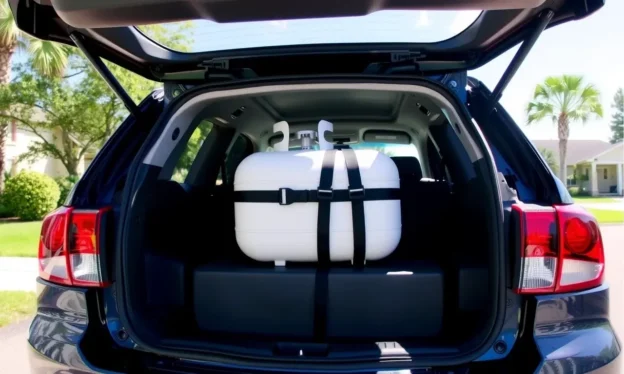
Transporting a propane tank in a car requires careful attention to safety and adherence to transport regulations. Propane‚ being a flammable gas‚ necessitates stringent precautions to prevent accidents during transportation. This article provides detailed guidelines on safely transporting propane tanks in your vehicle‚ including placement‚ securing the tank‚ ventilation‚ and other safety measures.
Understanding Propane and Its Hazards
Propane is a flammable hydrocarbon gas used as fuel for heating‚ cooking‚ and automotive applications. It is stored in pressurized tanks‚ which makes it essential to handle and transport with care. A small leak or improper handling can lead to hazardous situations‚ thus emphasizing the importance of following proper guidelines.
Regulations and Guidelines for Propane Tank Transportation
Transport regulations for propane vary by region‚ but general guidelines ensure safety:
- Check Local Regulations: Before transporting propane‚ check local and national regulations regarding the transportation of hazardous materials to ensure compliance;
- Use Approved Containers: Only transport propane in approved tanks that meet regulatory standards. These tanks have safety features like pressure relief valves.
Preparing for Transportation
Inspect the Tank
Before transport‚ inspect the propane tank for any signs of damage such as rust‚ dents‚ or leaks. Check the valve and ensure it is closed securely. If the tank appears damaged‚ do not transport it.
Secure the Tank in the Vehicle
Proper placement and securing of the tank are crucial:
- Upright Position: Always transport the tank in an upright position to prevent liquid propane from escaping through the valve.
- Securing the Tank: Use straps or ropes to secure the tank‚ preventing it from shifting during transport. Ensure the tank is stable and won’t tip over.
Vehicle Ventilation
Adequate ventilation is vital during transportation:
- Open Windows: If transporting inside a vehicle‚ keep windows open to allow airflow‚ reducing the risk of gas accumulation.
- Avoid Confined Spaces: Do not transport propane tanks in the trunk or other confined spaces where gas could accumulate.
Transportation Safety Precautions
Avoid Heat and Sparks
Propane tanks are sensitive to heat and can become dangerous if exposed to high temperatures or sparks. Keep the vehicle away from direct sunlight and avoid smoking or using electronic devices near the tank.
Leak Detection
Be vigilant for any signs of propane leakage‚ such as a distinct odor or hissing sound. Carry leak detection equipment‚ such as soapy water‚ to check for leaks by applying it to the valve area and looking for bubbles.
Limit the Number of Tanks
Transport only the number of tanks necessary and within the legal limits. Overloading the vehicle with propane tanks increases the risk of accidents.
Post-Transportation Storage
Once you reach your destination‚ follow proper storage guidelines for propane tanks:
- Store Outside: Store tanks outside in a well-ventilated area‚ away from buildings and flammable materials.
- Secure the Tank: Ensure the tank remains upright and secure to prevent tipping or rolling.
- Check for Leaks: Before storage‚ re-check the tank for any leaks using the same detection methods.
Transporting propane tanks in a car requires strict adherence to safety and transport regulations. By following the outlined guidelines‚ such as securing the tank‚ ensuring ventilation‚ and checking for leaks‚ you can safely transport propane in your vehicle. Always prioritize safety to prevent accidents and ensure compliance with local transportation regulations.
By understanding and implementing these precautions‚ you can minimize risks and safely manage the transportation of propane tanks‚ protecting yourself and others from potential hazards.