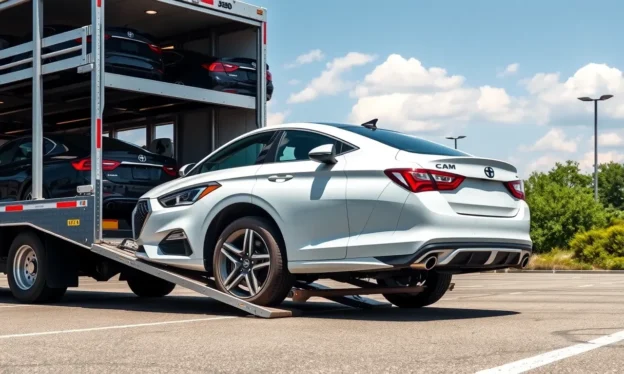
In today’s global economy, the need for auto transport services has increased significantly. Whether you’re moving across the country, purchasing a vehicle from a distant location, or relocating internationally, understanding the various factors that affect the cost of car shipping is crucial. This article explores the key elements that influence the pricing of vehicle transportation and provides insights to help you make an informed decision.
Understanding Cost Estimates
Obtaining a cost estimate for car transportation involves considering multiple pricing factors. It’s essential to recognize that no two shipments are alike, as individual needs vary based on several elements.
Key Pricing Factors
- Shipping Distance: The distance between the pickup location and the delivery location is a primary determinant. Longer distances typically incur higher costs.
- Delivery Time: The urgency of delivery can affect pricing. Expedited shipping options are available but at a premium cost.
- Transport Method: Choosing between an open carrier and an enclosed carrier impacts the price. Enclosed carriers offer more protection but are more expensive.
- Size and Weight: Larger and heavier vehicles may increase shipping costs due to the space and fuel required.
- Insurance Coverage: Comprehensive insurance might be necessary, especially for high-value vehicles, adding to the total cost.
- Fuel Cost: Fluctuations in fuel prices can influence transportation costs.
- Seasonal Rates: Demand for shipping services can vary by season, affecting prices. For instance, summer months may see increased rates due to higher demand.
Transport Options
Carriers provide different options to cater to customer needs, each affecting the pricing structure. Understanding these options can help you choose the best fit for your situation.
Carrier Types
- Open Carrier: The most common and cost-effective method, suitable for most vehicles. However, cars are exposed to weather and road conditions.
- Enclosed Carrier: Offers additional protection from the elements, ideal for luxury or classic cars. This service comes at a higher cost.
Service Types
- Terminal-to-Terminal: Vehicles are dropped off and picked up at designated terminals, which can be cheaper but less convenient.
- Door-to-Door: The vehicle is picked up and delivered directly to specified addresses, providing maximum convenience at a higher price.
Planning and Cost-Saving Tips
Prudent planning can significantly influence the cost of vehicle transportation. Here are some tips to consider:
- Booking in Advance: Planning ahead can lead to better rates and availability.
- Comparing Quotes: Obtain multiple quotes from different transport companies to ensure competitive pricing. Utilize online calculators for quick estimates.
- Awareness of Hidden Fees: Be cautious of extra charges that may not be included in initial quotes.
- Flexible Delivery Dates: Allowing for flexible delivery times can sometimes lower costs.
Payment and Reviews
Understanding payment options and reviewing other customers’ experiences can help you select a trustworthy service provider.
- Payment Options: Ensure you understand the payment terms, including deposits and final payments.
- Customer Reviews: Research customer reviews to gauge the reliability and quality of the transport company.
International and Cross-Country Transport
For those needing cross-country transport or international shipping, additional considerations come into play, such as customs regulations, port fees, and international insurance.
International Shipping Considerations
- Be aware of customs documentation and import regulations for the destination country.
- Consider the additional time required for international shipments.
- Factor in port handling charges and international insurance coverage.