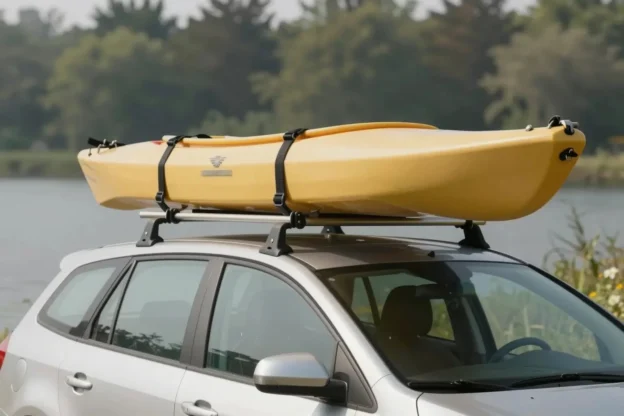
Transporting a kayak using your car can be a convenient method to enjoy paddling adventures without the need for a trailer․ With the right equipment and techniques, you can safely load, secure, and transport your kayak to any destination․ This guide provides a comprehensive overview of the transportation process using a car, focusing on key aspects such as car roof racks, kayak carriers, and essential safety measures․
Equipment Needed for Kayak Transportation
- Car Roof Rack: A sturdy roof rack is essential for carrying a kayak on your vehicle․ Ensure your car is equipped with roof bars or crossbars that can support the weight of the kayak․
- Kayak Carrier: Dedicated kayak carriers provide additional stability and protection for your kayak․ These carriers often come with padding to prevent damage during transportation․
- Tie-Down Straps: Use high-quality tie-down straps to secure your kayak to the roof rack․ These straps should be durable and easy to adjust․
- Foam Blocks: These can be used to provide extra padding and prevent direct contact between the kayak and the roof rack․
Steps for Loading Your Kayak
Loading a kayak on your car requires careful attention to technique and safety:
- Position Your Vehicle: Park your vehicle on a flat, stable surface․ This will make it easier to load and unload your kayak․
- Prepare the Roof Rack: Install the kayak carrier onto the roof bars or crossbars of your car; Adjust the carrier to fit the size of your kayak․
- Lift the Kayak: Depending on the kayak’s weight, you may need assistance․ Lift the kayak carefully, keeping your back straight to avoid injury․
- Place the Kayak: Once lifted, place the kayak onto the carrier with the hull facing down or up, depending on the design of the carrier․
- Secure the Kayak: Use the tie-down straps to secure the kayak․ Loop the straps over the kayak and tighten them; Ensure the kayak is stable and won’t shift during travel․
Ensuring Safety During Travel
Safety is paramount when transporting a kayak:
- Check Stability: Before driving, ensure the kayak is stable and securely fastened․ Test by gently rocking the kayak․
- Wind Resistance: Be aware of wind resistance, especially during highway driving․ Ensure the kayak is properly aligned to minimize drag․
- Proper Technique: Always use the proper technique for loading and unloading to prevent injury and damage to your vehicle or kayak․
- Protective Gear: Wear protective gear such as gloves when handling the kayak to prevent scrapes and cuts․
- Regular Checks: Stop periodically during long trips to check the kayak’s security and adjust straps if necessary․
Installation and Adjustment
Proper installation and adjustment of your equipment are crucial for safe transportation:
- Roof Rack Installation: Follow the manufacturer’s instructions for installing the roof rack․ Ensure all components are tightly secured․
- Carrier Adjustment: Adjust the kayak carrier to fit the dimensions of your kayak, ensuring a snug fit․
Considering Vehicle Types
Different vehicles may require different approaches:
- Hatchback: Ensure the kayak does not obstruct the rear hatch and is balanced correctly on the roof․
- SUV: Larger vehicles may offer more stability but may require a step stool for loading․
- Sedan: Pay attention to the length of the kayak relative to the vehicle’s roof to maintain balance and safety․
Transporting a kayak with a car involves several considerations, from choosing the right transport method to ensuring the kayak is securely fastened․ By using a reliable roof rack and kayak carrier, along with proper tie-down techniques, you can safely enjoy your kayaking adventures․ Remember to consider the kayak’s weight, the type of vehicle you are using, and the importance of stability and security during the journey․ With the right preparation and equipment, your kayak will be ready to hit the water wherever your travels take you․