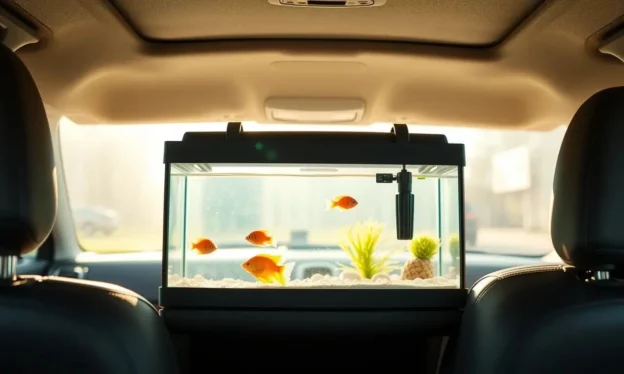
Transporting a fish in a car requires meticulous planning and attention to detail to ensure the safety and well-being of your aquatic pet. Whether you’re moving to a new home or taking your fish to a different aquarium, proper preparation is key. This article will guide you through the steps necessary to transport your fish safely and effectively.
Preparing for the Journey
Before embarking on the journey, it’s crucial to prepare adequately. This involves considering the fish species, travel duration, and the environmental conditions during the trip.
Choosing the Right Travel Container
- Fish Bag: A specialized fish bag is often the best choice for transporting small to medium-sized fish. Make sure it is filled with one-third water and two-thirds air to provide sufficient oxygen supply.
- Travel Container: For larger fish or longer journeys, a sturdy travel container or a small fish tank can be used. Ensure it has a secure lid to prevent spills and escapes.
Maintaining Water Quality
- Water Transport: Use water from the fish’s original aquarium to maintain consistent water quality. This helps reduce stress and prevent shock.
- Filtration System: A portable filtration system can be employed to keep the water clean during long trips.
Temperature Control
Fish are sensitive to temperature changes, so maintaining a stable environment is essential.
- Temperature Control: Use a thermometer to monitor the water temperature. If necessary, employ portable heaters or coolers to maintain optimal conditions.
During the Journey
Once everything is set, focus on the journey to minimize stress for your fish.
Vehicle Stability
- Secure Placement: Place the travel container in a stable position in your vehicle to minimize movement. Consider using cushioning materials to absorb shocks and vibrations.
- Vehicle Stability: Drive smoothly, avoiding sudden stops, starts, or sharp turns that could unsettle the fish.
Ensuring Oxygen Supply
- Portable Pump: Use a portable air pump to ensure an adequate oxygen supply during long journeys.
Stress Reduction
- Stress Reduction: Keep the travel container covered with a cloth to reduce light and visual stimuli, thus helping to calm the fish.
Upon Arrival
Once you reach your destination, it’s important to acclimate the fish to their new environment carefully.
Acclimation
- Acclimation: Gradually introduce the fish to the new aquarium water to prevent shock. This can be done by slowly mixing the new water with the transport water over a period of time.
Final Placement
- Secure Lid: Once the fish is acclimated and placed in the aquarium, ensure the lid is secure to prevent any escapes.
Transporting a fish in the car can be a smooth process if you carefully follow the steps outlined. From selecting the right travel container to ensuring proper temperature control and oxygen supply, each detail plays a critical role in the successful relocation of your fish. Remember to drive cautiously and minimize stress for your aquatic friend, ensuring they arrive safely and comfortably at their new home.