Transporting a bicycle in a car requires careful consideration of various factors including vehicle compatibility‚ secure fastenings‚ and transportation options. Whether you’re an avid cyclist or just enjoy the occasional ride‚ finding the best way to transport your bike safely and efficiently is crucial. This article will cover the different methods and tips for transporting your bicycle using different types of car racks‚ disassembly techniques‚ and safety precautions.
Types of Car Racks for Bicycle Transport
There are several bicycle transport options available when it comes to car racks. Each type has its own advantages and suitable use cases depending on your vehicle and personal preferences.
Trunk Mount Bike Carrier
A trunk mount bike carrier is a popular choice for its affordability and ease of installation. It attaches to the back of the car using straps and hooks. Trunk mounts are ideal for sedans and hatchbacks.
- Pros: Cost-effective‚ easy to install‚ and does not require additional equipment.
- Cons: Limited access to the trunk and potential for scratches without protective padding.
Roof Rack
A roof rack is perfect for vehicles with existing roof rails or crossbars. This bike carrier allows for multiple bikes to be transported without obstructing rear visibility.
- Pros: More interior space available‚ no obstruction of rear view‚ and can carry multiple bikes.
- Cons: Requires lifting the bike overhead‚ can increase wind resistance and reduce fuel efficiency.
Hitch Mount
Hitch mounts are suitable for vehicles equipped with a trailer hitch. They offer stability and ease of loading‚ ideal for frequent travelers and families.
- Pros: Easy loading techniques‚ secure fastenings‚ and can carry multiple bikes.
- Cons: More expensive‚ requires a hitch installation‚ and may block rear access.
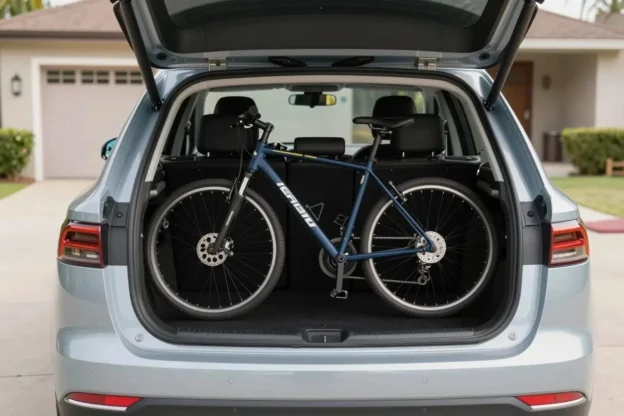
Interior Storage
If you own a folding bike or have sufficient interior space‚ storing the bike inside the vehicle can be an option. This method protects the bike from external elements and theft.
- Pros: No need for additional equipment‚ protects from weather and theft.
- Cons: Reduces available interior space‚ requires wheel removal and disassembly.
Preparing Your Bike for Transport
Proper preparation is essential to ensure your bike is transported safely and securely. Here are some travel preparation and packing tips:
- Disassembly: Consider removing the front wheel or pedals to make the bike more compact for storage or loading onto a rack.
- Protective Padding: Use padding or old towels to protect the bike frame and car paint from scratches.
- Secure Fastenings: Ensure all straps‚ clamps‚ and locks are tightened to prevent movement during transit.
Loading Techniques and Safety Precautions
Loading your bike correctly and adhering to safety precautions can prevent accidents and damage to your vehicle or bike.
- Loading Techniques: Follow the manufacturer’s instructions for your specific bike carrier. Lift with care and avoid exerting too much pressure on any single part of the bike.
- Safety Precautions: Always double-check that the bike is securely fastened before driving. Make sure the bike does not obstruct any vehicle lights or license plates.
- Vehicle Compatibility: Verify that your chosen bike carrier is compatible with your vehicle’s make and model to ensure proper fit and safety.
Transporting a bicycle by car can be a straightforward process with the right equipment and preparation. Whether you choose a trunk mount‚ roof rack‚ hitch mount‚ or interior storage‚ each method has its own benefits and considerations. Always prioritize secure fastenings and safety precautions to ensure a smooth and enjoyable journey with your bike. With these tips and techniques‚ you can confidently explore new cycling destinations and enjoy the freedom of riding wherever your travels take you.