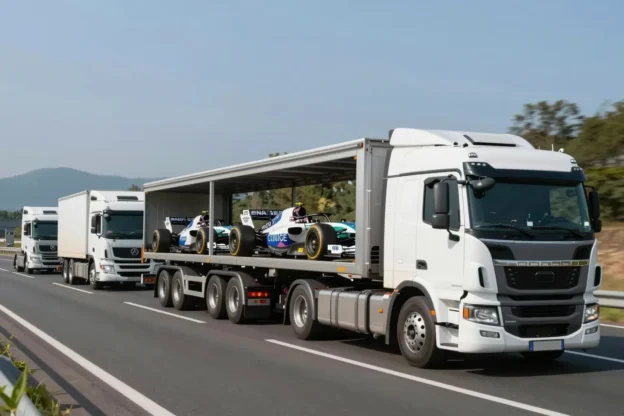
The world of Formula 1 is not just about high-speed racing and thrilling grand prix events; it is also a realm where logistics and transport precision play a critical role. Behind the scenes, a complex and meticulously planned operation ensures that racing cars, teams, and their equipment travel seamlessly from one race circuit to another, often spanning continents to maintain the rigorous schedule of the international racing calendar.
The Logistics of Formula 1 Transport
The logistics of transporting Formula 1 cars and equipment is a massive undertaking involving various modes of transport such as air freight, road transport, and sea shipping. Each method is carefully chosen based on factors like distance, cost, and time constraints, with the ultimate goal of ensuring that everything arrives on time and in perfect condition.
Transport Modes Utilized in Formula 1
- Air Freight: The fastest way to move cars and essential equipment, air freight is often used when teams need to travel long distances quickly. Specially designed crates and containers are used to protect delicate components during transit.
- Road Transport: For races within close geographical proximity, road transport is the chosen method. Large trucks equipped with specialized equipment ensure the safe and efficient delivery of cars and gear.
- Sea Shipping: Although slower, sea shipping is a cost-effective solution for non-critical items, often used when teams have more time between races.
Precision in Scheduling and Operations
Transporting an F1 team is not just about moving cars; it’s about moving an entire operation. Each team travels with several tonnes of equipment, including spare parts, tools, and the setup required for the famous pit stops. This logistical challenge requires incredible precision and coordination.
Grand Prix Schedule and Its Challenges
The grand prix schedule is tight and often involves back-to-back races across different continents. This demands a highly efficient logistics operation capable of overcoming challenges such as differing international customs regulations and varying infrastructural capabilities at different race circuits.
Role of Packaging and Containers
Proper packaging is vital to ensure that all parts of the cars and team equipment arrive undamaged. Custom-built containers are used to transport everything from the chassis to the smallest bolt. These containers are designed to fit the specific dimensions of F1 cars and components, providing optimal protection and efficiency in loading and unloading.
Efficiency in Operations
Efficiency is key in F1 logistics. Teams strive to minimize downtime during transportation to maximize preparation time at the track. This involves streamlined processes for loading equipment, preparing it for customs inspections, and ensuring swift movement through air freight and road transport terminals.
Customs and International Regulations
Navigating customs is a crucial part of the logistics process. Teams must comply with various international regulations, which can differ significantly from one country to another. This requires detailed documentation and an understanding of each country’s import-export laws to avoid delays.
The Human Element in F1 Logistics
Behind the mechanical efficiency of F1 logistics is a team of dedicated professionals who ensure the smooth transport of cars and equipment. These individuals coordinate the complex logistics chain, making real-time decisions to address any unexpected issues that may arise.
Coordination and Teamwork
Successful transport operations rely heavily on coordination and teamwork. From the logistics planners and drivers to the air and sea freight specialists, each person plays a vital role in ensuring that everything arrives on time and ready for action.
Future of F1 Logistics
As Formula 1 continues to expand globally, the logistics operations will become even more complex. The future may see increased reliance on sustainable transport options, such as biofuel-powered vehicles or electric trucks, as the sport seeks to reduce its environmental impact while maintaining its commitment to precision and efficiency.