how do you transport a dog in a car

Traveling with your canine companion can be a rewarding experience if done safely and comfortably. Here, we will explore the various methods and accessories available for ensuring pet safety during car travel.

Choosing the Right Dog Carrier or Travel Crate

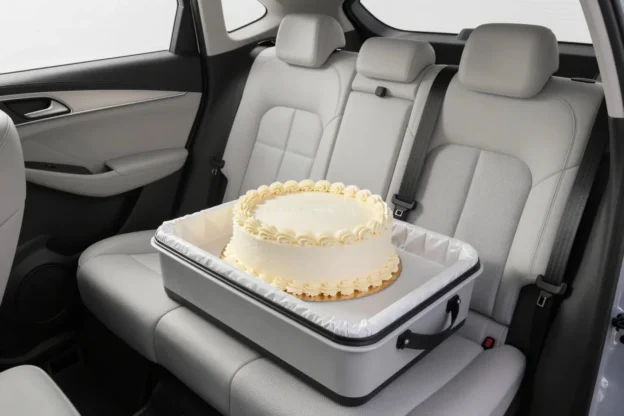
A dog carrier or travel crate is essential for secure canine transport in a vehicle. These enclosures provide a safe space for your dog and prevent them from roaming freely in the car. When selecting a crate, consider the following:

  • Size: Ensure the crate is large enough for your dog to stand, turn around, and lie down comfortably.
  • Material: Opt for sturdy materials that can withstand impact and provide ventilation.
  • Attachment points: Look for crates with secure attachment options to keep them stable during travel.

Using a Seat Belt Harness

If a crate is not feasible, a seat belt harness is a great alternative. This dog restraint attaches to the vehicle’s seat belt system, keeping your dog secure while allowing them some freedom of movement. When selecting a harness:

  • Fit: Ensure the harness fits snugly without being too tight.
  • Durability: Choose a harness made of robust materials with strong buckles.
  • Comfort: Look for padding to prevent chafing and enhance comfort.

Installing Vehicle Pet Barriers

Vehicle pet barriers are useful for separating the back seat from the cargo area, especially in SUVs or hatchbacks. These barriers prevent pets from distracting the driver while still providing ample space for them to move.

Car Travel Tips for a Comfortable Journey

Ensuring your dog’s comfort during a road trip is crucial. Here are some tips to make the journey pleasant for both you and your pet:

  • Back seat protector: Use a back seat protector to keep your seats clean and provide a comfortable surface for your dog to rest on.
  • Pet-friendly vehicle: Choose a pet-friendly vehicle with ample space and ventilation options.
  • Hydration tips: Keep your dog hydrated by offering water during breaks. Consider a spill-proof bowl.
  • Car sickness prevention: To prevent car sickness, avoid feeding your dog just before the trip and offer small, frequent meals if necessary.

Pet Travel Accessories for Safety and Comfort

Several pet travel accessories can enhance safety and comfort during car trips. These include:

  • Dog leash attachment: Useful for short stops, allowing you to secure your dog outside the vehicle.
  • Secure dog crates: Ensure they are fastened properly for maximum safety.
  • Ventilation: Use window shades or fans to maintain a cool environment inside the car.

Transporting your dog in a car requires careful planning and the right equipment to ensure a safe and comfortable journey. By using appropriate restraints like dog carriers, travel crates, or seat belt harnesses, you can minimize distractions and maximize safety. Additionally, consider vehicle pet barriers and other travel essentials to enhance the travel experience for your furry friend. With these tips, you can enjoy a worry-free road trip with your beloved pet.

how to transport tv in car

Transporting a television, especially a flat-screen TV, requires careful planning and execution to ensure its safety. Whether you’re moving to a new home or simply need to transport a TV across town, understanding the right techniques and using the proper packing materials is crucial. This guide will provide you with essential moving tips to ensure secure transport and prevent screen damage.

Preparation for Transport

Before you begin the process of moving your TV, it’s important to prepare adequately. This involves gathering the necessary packing materials and understanding the steps needed to protect your TV during transit.

Gathering Packing Materials

  • TV Box: Ideally, use the original TV box if you still have it. If not, purchase a box specifically designed for televisions.
  • Protective Blankets: These will cushion the TV and provide an additional layer of protection.
  • Secure Straps: Use these to minimize movement and keep the TV stable during transport.
  • Screen Protection: Consider using bubble wrap or foam to protect the screen from scratches and impacts.

TV Stand Removal

Before packing your TV, remove the TV stand or any mounting brackets. This will make it easier to pack and prevent potential damage to the stand or the screen. Keep all screws and small parts in a labeled bag for easy reassembly later.

Loading Techniques for Vehicle Stability

How you load the TV into your vehicle is critical to ensuring its safety. Follow these steps to ensure proper TV placement and secure transport:

TV Orientation and Placement

  • Vertical Positioning: Always transport the TV in an upright position. Laying it flat can increase the risk of screen damage due to vibrations and jolts.
  • Central Placement: Place the TV in the center of the vehicle, where it is less likely to be affected by sudden stops or turns.

Using Secure Straps

Once the TV is placed in the vehicle, use secure straps to anchor it in place. This will help minimize movement and maintain vehicle stability. Tighten the straps to ensure the TV doesn’t shift during transport.

Cushioning and Screen Damage Prevention

Protective measures are necessary to cushion the TV and prevent screen damage during the journey. Here are some additional tips:

Protective Blankets

Wrap the TV in protective blankets to cushion it from any impact. Ensure that the blankets cover all sides of the TV, especially the corners, which are more susceptible to damage.

Bubble Wrap or Foam Padding

For added screen protection, place bubble wrap or foam padding directly over the screen before wrapping the TV in blankets. This provides an extra layer of defense against scratches and impacts.

Transporting Fragile Items Safely

In addition to the TV, you may be transporting other fragile items. It’s important to ensure all items are packed securely to avoid damage:

  • Separate Fragile Items: Keep the TV separate from other fragile items to prevent them from bumping into each other.
  • Padding Between Items: Use soft materials like blankets or pillows between items to prevent them from shifting and causing damage.

Transporting a TV in a car requires careful planning and the right techniques to ensure car safety and the protection of your flat-screen TV. By following these moving tips, using the proper packing materials, and implementing secure transport methods, you can prevent screen damage and ensure your TV arrives at its destination safely.

Remember, preparation and attention to detail are key to a successful move. By removing the TV stand, using protective blankets, securing the TV with straps, and ensuring proper TV orientation, you can transport your TV with confidence. Safe travels!

how to transport dog in car

Traveling with your dog can be a fun and rewarding experience, but it’s important to ensure that your furry friend is safe and comfortable while on the road. In this article, we’ll explore effective methods and essential tools for canine transport, focusing on safety, comfort, and convenience.

Pet Carrier: A Must-Have for Dog Safety

A pet carrier is an essential item when transporting your dog in a car. It provides a secure space where your pet can feel safe and protected. Make sure to choose a carrier that is the right size for your dog, allowing them to stand, turn around, and lie down comfortably. A well-ventilated carrier will ensure that your dog has plenty of ventilation during the trip.

Seatbelt Harness: Keeping Your Dog Secure

A seatbelt harness is another effective way to keep your dog secure during a car ride. This harness attaches to the vehicle’s seatbelt system, preventing your dog from moving around the car. It also protects your pet in case of sudden stops or accidents, adding an extra layer of safety.

Travel Crate: A Comfortable Option

A travel crate is a great option for long drives. It provides a cozy space where your dog can relax and feel secure. Just like a pet carrier, ensure that the crate is well-ventilated and the right size for your dog. For added comfort, place a soft blanket or dog seat cover inside the crate.

Vehicle Restraint: Ensuring No Distractions

Vehicle restraint systems are crucial for creating a distraction-free environment. Dogs can become excited during trips, which can be distracting for the driver. Utilizing restraints such as pet barriers or seatbelt harnesses can help keep your dog in the backseat, minimizing distractions and ensuring a safer journey.

Pet Barrier: Separating Spaces

A pet barrier is ideal for separating the backseat from the front, keeping your pet safely contained. This prevents your dog from jumping into the front seat, reducing the risk of accidents and allowing you to focus on the road.

Comfort and Climate Control

Ensuring your dog’s comfort is vital during car travel. Use climate control to maintain a comfortable temperature in the car. Avoid extreme temperatures and ensure your dog is not directly exposed to air conditioning vents.

Dealing with Motion Sickness

Some dogs experience motion sickness during car rides. To minimize this, avoid feeding your dog right before a trip and consider short trips initially to acclimate them. Consult your vet about possible calming aids if your dog experiences severe discomfort.

Preparing for Short Trips vs. Long Drives

For short trips, ensure your dog is secured and comfortable, with adequate ventilation and restraint. For long drives, plan for breaks every couple of hours to let your dog stretch and relieve themselves. Always have water available to keep your dog hydrated.

Transporting your dog safely and comfortably in a car requires the right equipment and preparation. From pet carriers to seatbelt harnesses, each tool plays a crucial role in ensuring your pet’s safety and comfort. By following these guidelines, you can make sure that your canine companion enjoys the journey as much as you do. Happy travels!

how to transport a mattress on a car

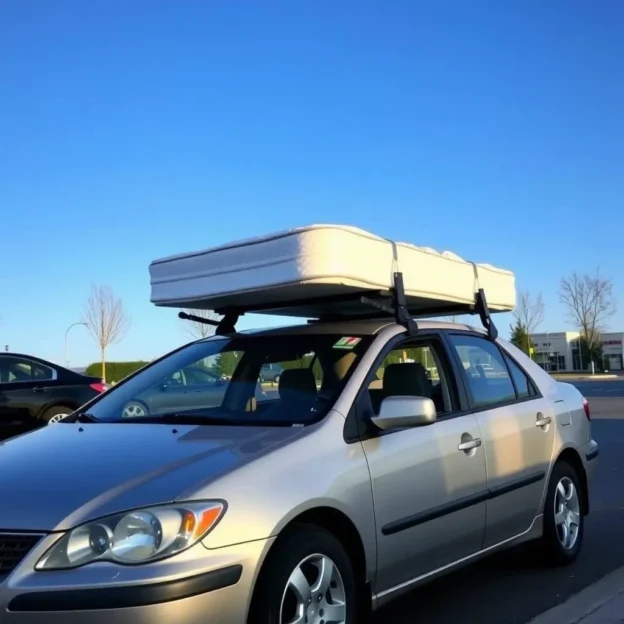
Transporting a mattress, whether it’s a foam, spring, queen-size, or king-size, can be a daunting task if you don’t have access to a moving truck. However, with the right equipment and precautions, you can safely transport a mattress using a car, such as a compact sedan or an SUV, by securing it properly on a roof rack. In this article, we’ll provide detailed instructions and guidelines to help you move your mattress securely and safely.

Essential Equipment Needed

Before you begin, gather the necessary equipment to ensure a smooth and safe transport:

  • Roof Rack: A sturdy roof rack is essential for supporting the mattress on your vehicle.
  • Straps: Heavy-duty tie-down straps are crucial for securing the mattress. Avoid using bungee cords as they may not provide adequate tension.
  • Blanket: Use a blanket for protection to prevent damage to both the mattress and the vehicle’s roof.
  • Knots: Familiarize yourself with reliable knots to ensure the straps do not loosen during transit.

Preparing the Mattress

Before placing the mattress on the roof of your vehicle, it’s important to prepare it properly:

  1. Remove Bedding: Strip the mattress of all bedding and covers.
  2. Wrap in a Blanket: Use a blanket to wrap the mattress, providing an extra layer of protection against dirt and potential tears.
  3. Consider a Mattress Bag: For additional protection, consider using a mattress bag, especially if the weather conditions are not favorable.

Loading the Mattress

Follow these steps to load the mattress onto the roof rack of your vehicle:

  1. Lift Carefully: With the help of another person, lift the mattress onto the roof rack. Make sure to handle it gently to avoid damaging any foam or spring components.
  2. Position Evenly: Center the mattress on the roof rack, ensuring that it is evenly balanced to prevent shifting during the drive.

Securing the Mattress

Properly securing the mattress is crucial for safe transport:

  1. Use Tie-Down Straps: Secure the mattress with heavy-duty straps. Pass the straps over the mattress and under the roof rack, tightening them firmly.
  2. Check Knots: Ensure the knots are tight and secure. Double-check each strap to prevent them from coming loose.
  3. Test Stability: Gently shake the mattress to test its stability. If it shifts, tighten the straps further.

Driving with the Mattress

Once the mattress is securely fastened, it’s time to transport it to your destination:

  • Plan Your Route: Choose a route with minimal highway driving to reduce wind resistance and increase safety.
  • Drive at Safe Speeds: Maintain a moderate speed, especially when driving on highways, to prevent the mattress from being affected by wind resistance.
  • Check Periodically: Stop occasionally to inspect the straps and knots, ensuring everything remains secure during the journey.

Additional Safety Guidelines

Keep these safety tips in mind to ensure a smooth transport:

  • Avoid transporting the mattress in adverse weather conditions, such as high winds or rain.
  • Ensure there is no overhang that could obstruct your view or affect the balance of the vehicle.
  • Be mindful of the weight limit of your vehicle’s roof rack to avoid any strain or damage.

Transporting a mattress on a car requires careful planning and the right equipment. By following these instructions and taking necessary precautions, you can move your mattress safely and efficiently. Always prioritize safety, ensuring that the mattress is securely tied down and well-protected during the drive. Remember, the key to a successful transport is preparation, proper handling, and adherence to safety guidelines.

how much to transport car across country

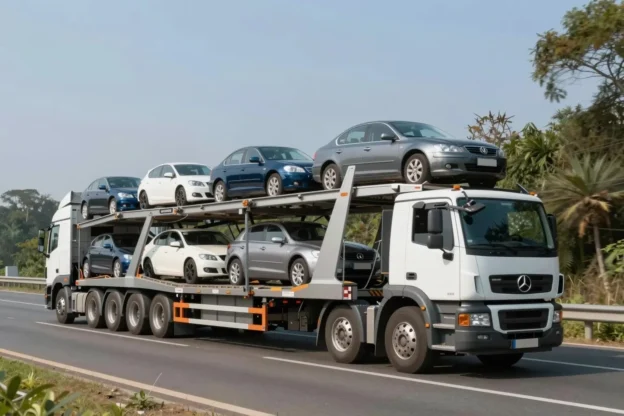
Transporting a vehicle across the country can be a daunting task, especially if you’re not familiar with the ins and outs of auto shipping. Whether you’re relocating, purchasing a car from another state, or just need to transport a vehicle for any reason, understanding the factors that influence the cost of vehicle transport is essential.

Factors Influencing Transportation Cost

The transportation cost for cross-country car transport can vary significantly based on several factors. Here are the key elements that affect pricing:

  • Distance: Naturally, the longer the distance, the higher the cost. Cross-country routes can range from a few hundred to several thousand miles.
  • Vehicle Size and Weight: Larger and heavier vehicles typically cost more to transport than smaller, lighter ones.
  • Shipping Options: Options like open transport and enclosed transport can affect the price. Enclosed transport is more expensive but offers more protection.
  • Delivery Time: Expedited shipping will cost more than standard delivery schedules.
  • Transport Insurance: Ensuring your vehicle during transport can add to the cost but provides peace of mind.
  • Seasonality: Prices can fluctuate based on the time of year, with peak seasons generally costing more.

Auto Transport Quotes

To get an accurate estimate, it’s essential to obtain auto transport quotes from multiple nationwide car movers. Each company may offer different rates depending on their service offerings and route availability.

Types of Transport Services

When considering vehicle relocation, you’ll encounter different types of transport services:

  1. Door-to-Door Service: This is a convenient option where the car carrier picks up and delivers the vehicle directly to specified locations.
  2. Terminal-to-Terminal Service: A cost-effective option where you drop off and pick up your vehicle at designated terminals.

Choosing a Car Hauler

When selecting a car hauler, consider their reputation, experience in long-distance car shipment, and customer reviews. A reliable transport service will ensure your vehicle is delivered safely and on time.

Understanding Freight Cost

The freight cost is a significant component of the overall transport cost. It’s influenced by fuel prices, driver availability, and the logistics involved in transporting vehicles across the nation.

Additional Considerations

Before proceeding with car shipping, verify what’s included in the quote. Some companies may offer extras like real-time tracking or special handling for unique vehicles.

Final Thoughts

Understanding the factors that affect the cost of auto shipping will help you make informed decisions and choose the best option for your needs. Whether opting for an open or enclosed transport method, ensure you evaluate your options thoroughly to find a balance between cost and quality of service.

how to transport puppy in car

Transporting a puppy in a car can be both a delightful and challenging experience. Ensuring your puppy’s safety, comfort, and well-being is paramount during any journey. In this article, we will explore the best practices for car transport with your furry friend, focusing on safety, comfort, and minimizing anxiety.

Choosing the Right Pet Carrier

A pet carrier is essential for transporting your puppy safely. It provides a secure and confined space, preventing your puppy from moving around the vehicle freely, which can be distracting and dangerous.

  • Size: The carrier should be large enough for the puppy to stand, turn around, and lie down comfortably.
  • Ventilation: Ensure the carrier has adequate ventilation to keep your puppy cool and comfortable.

Using a Crate for Security

A crate is another option for transporting your puppy. It provides a similar level of security as a pet carrier and can be an excellent choice for larger vehicles and longer journeys.

  • Restraint: Secure the crate with a seat belt or straps to prevent movement during the drive.
  • Acclimatization: Before the journey, allow your puppy to spend time in the crate at home to become familiar and comfortable with it;

Harness and Seat Belt Safety

If you prefer not to use a carrier or crate, a harness with a seat belt attachment can keep your puppy safe. This option offers more freedom of movement while ensuring your puppy remains securely restrained.

  • Secure Fit: Ensure the harness fits well and does not cause discomfort.
  • Attachment: Use a seat belt attachment designed for pet harnesses to secure your puppy to the vehicle’s seat belt system.

Ensuring Comfort During the Journey

Your puppy’s comfort is crucial for a pleasant travel experience. Here are some tips to ensure their well-being:

  • Temperature: Monitor the vehicle’s temperature to prevent overheating or chilling.
  • Hydration: Keep fresh water available for your puppy, especially on long trips.

Managing Anxiety

Travel can be stressful for puppies. Managing their anxiety is important for a smooth journey.

  • Calm Environment: Keep the car environment calm and avoid loud noises.
  • Acclimatization: Gradually introduce your puppy to car rides with short, positive experiences.

Travel Tips for a Safe Journey

Here are some additional travel tips to ensure you and your puppy have a safe and enjoyable trip:

  • Frequent Breaks: Take regular breaks to allow your puppy to relieve themselves and stretch their legs.
  • Secure Environment: Avoid allowing your puppy to stick their head out of the window, as it can be dangerous.

Conclusion

Traveling with your puppy can be an enjoyable experience with the right preparation and attention to their needs. By ensuring safety, comfort, and security, you can minimize anxiety and make the journey pleasant for both you and your furry companion. Remember to consider their hydration needs, maintain a suitable temperature in the vehicle, and provide a secure restraint system. With these tips, you and your puppy can look forward to many happy travels together.

how to transport mattress on car

Moving a mattress can be a daunting task, especially if you don’t have access to a moving truck. However, with the right techniques and equipment, you can successfully transport a mattress on the roof of your car. This guide will provide you with detailed information on mattress transportation, securing the mattress, and ensuring driving safety throughout the process.

Considerations for Mattress Transportation

When planning to transport a mattress, consider the size of your vehicle and the mattress. A larger vehicle with folding seats might offer more flexibility, but even with a smaller car, it’s possible to secure the mattress on the roof.

Vehicle Size and Mattress Fit

  • Check if the mattress can fit inside your vehicle by folding seats down.
  • If it doesn’t fit, prepare to secure the mattress on the car roof.

Moving Supplies and Equipment

Gather the necessary moving supplies to ensure a safe and secure transport:

  • Tie-down straps: Essential for securing the mattress firmly to the car roof.
  • Protective cover: Use a plastic mattress bag or a thick blanket to prevent damage.
  • Packing materials: Bubble wrap or foam padding can provide additional protection.

Loading Techniques for Mattress Transport

Proper loading techniques are crucial to prevent mattress damage and ensure safety on the road.

Preparing the Mattress

Before loading, cover the mattress with a protective cover to guard against dirt and weather elements. Ensure the cover is securely fastened.

Loading the Mattress onto the Car Roof

  1. Lift the mattress carefully with assistance to avoid injury.
  2. Place the mattress flat on the car roof, ensuring even distribution.
  3. Align it centrally to maintain balance while driving.

Securing the Mattress

Securing loads properly is vital to prevent accidents and comply with transport regulations.

  • Use tie-down straps to fasten the mattress through the car windows or roof rails.
  • Ensure the straps are tight and the mattress is immobile.
  • Double-check all connections before setting off.

Driving Safety and Transport Regulations

Once the mattress is securely loaded, driving safely is paramount. Adhere to transport regulations for a smooth journey.

Driving Tips

  • Drive at a moderate speed to maintain control.
  • Avoid sudden stops or sharp turns that could dislodge the mattress.
  • Be mindful of height clearance when passing under bridges or through tunnels.

Transport Regulations

Check local transport regulations regarding securing loads. Non-compliance can result in fines or penalties. Always ensure the mattress does not obstruct your view or hang over the vehicle excessively.

Mattress Damage Prevention and Moving Tips

Preventing damage to the mattress is crucial for its longevity and comfort.

Moving Tips

  • Plan your route to avoid rough roads or heavy traffic.
  • Inspect the mattress for any signs of wear or damage before and after the move.
  • Enlist help if the mattress is too heavy to handle alone.

Post-Transport Care

Once you reach your destination, carefully unload the mattress using the reverse of the loading techniques. Inspect it for any damage and allow it to air out if it was covered during transport.

By following these guidelines, you can effectively transport a mattress on your car, ensuring it remains secure and damage-free throughout the journey. With the right preparation and attention to detail, moving a mattress without a moving truck becomes a manageable task.

The Ultimate Move-In Checklist for Your City Apartment

Moving into a new city apartment is exciting—but it can also feel overwhelming. From purging belongings to carefully planning logistics, there are so many tasks to juggle when moving to a bustling urban environment. Fortunately, with the right preparation and a checklist in hand, you can simplify the process and ensure everything goes smoothly.

This guide breaks down the move into manageable stages, offering detailed steps to help you stay organized, reduce stress, and actually enjoy the moving experience. Plus, we’ll share a practical tip if you need a car shipping service—read on for the details.

Two Months Before the Move: Purging and Planning

Declutter Your Life

Begin by making decisions about what you actually need in your new space. City apartments tend to be smaller, so this is the perfect time to reassess what you own. Create three piles during your decluttering process—keep, donate, and toss.

  • Keep: These are essential items you’ll need in your new apartment.
  • Donate: Items in good condition that no longer serve you but could benefit someone else.
  • Toss: Damaged or outdated belongings that you no longer need.

Be ruthless—keeping unnecessary items can make the moving process harder than it should be.

Create a Moving Binder

A moving binder or digital spreadsheet can help you track everything. Include sections for tasks, important contacts, and your moving budget.

  • Use apps like Trello or Google Sheets to organize your to-do lists.
  • Compile key contact information such as your landlord, moving company, and utility providers.

Research Carriers and Movers

If you’re hiring professional movers or shipping your car, start gathering quotes now. Doing this early ensures you’ll secure the best rates while avoiding last-minute headaches. (If you’re looking for a trusted car shipping service, head to https://newsnblogs.com for more info!)

One Month Before the Move: Packing and Paperwork

Tackle the Packing Process

Packing may seem daunting, but breaking it into small tasks makes it easier. Begin with items you won’t need in the weeks before the move.

  • Categorize by Room: Pack one room at a time, labeling boxes clearly to indicate contents and destination.
  • Host a Packing Party: Invite friends to help with packing—and make it fun with snacks and music!
  • Use the Right Materials: Invest in durable boxes, bubble wrap, and tape for maximum protection.

Handle Paperwork

This is the time to notify relevant parties of your upcoming change of address and begin transferring or setting up new services.

  • Forward Mail: Notify the post office to forward your mail to the new address.
  • Switch Utilities: Set up gas, water, electricity, and internet at your new apartment.
  • Update Addresses: Don’t forget to update your address with your bank, insurance providers, and subscriptions.

One Week Before the Move: Final Preparations

Confirm Moving Details

Double-check your arrangements with movers or transportation services. Ensure they have the correct address and a timeline for delivery.

Pack a “Move Day” Kit

Prepare a bag or box with the essentials you’ll need immediately upon arrival in your new apartment.

Items to include:

  • A set of clothes
  • Toiletries
  • Snacks and water
  • Phone charger
  • Important documents

Inspect the New Apartment

If possible, visit your apartment a week before moving day to ensure everything is ready. Check for repairs, clean the space, and confirm key handoffs with your landlord.

Moving Day: Execution

Stay Calm and Organized

Moving day can be hectic, but keeping a calm, organized approach goes a long way.

  • Supervise the Move: If you’re working with movers, be available to answer questions and oversee the loading process.
  • Protect Your Valuables: Keep valuable items like jewelry, cash, and important documents with you rather than loading them onto the moving truck.
  • Do a Final Walkthrough: Before leaving your old space, ensure nothing is left behind and clean up if necessary.

Celebrate small wins throughout the day—every step completed is one step closer to settling into your new home!

Settling In: Unpacking and Organizing

You’ve made it! Now it’s time to turn your new apartment into a cozy home.

Start with Priority Areas

Unpack essentials first, focusing on rooms that will allow you to function comfortably from day one.

  • Bedroom: Set up your bed and linens to ensure you have a comfortable place to sleep.
  • Kitchen: Unpack necessary utensils, cookware, and dishware so you can prepare meals.

Organize as You Unpack

Take the time to neatly arrange items as you unpack—you’ll thank yourself later.

Get to Know Your Neighborhood

Explore your new surroundings. Find grocery stores, cafes, and parks nearby to familiarize yourself with the area and make it feel like home.

Welcome to Your New City Apartment!

Moving to a new city apartment is no small feat, but with careful planning, you’ve turned what could be a stressful experience into an exciting adventure. Now, it’s time to sit back, relax, and enjoy your freshly organized space.

And, if you still need help with car shipping, check out https://newsnblogs.com for more information about their services!

Top 5 Best States to Buy a Used Car

If you’re in the market for a used car, location matters more than you might think. Some states offer better deals, easier processes, or higher-quality vehicles than others. Understanding where to shop can save you thousands of dollars and countless headaches.

This guide explores the top 5 best states to buy a used car based on price, selection, condition, and buyer advantages. We’ll also share tips to make your car-buying experience smoother.

Criteria for Selecting the Best States

Before we jump into the list, here’s what we considered to determine the best states to buy a used car:

  1. Affordability – States with lower average car prices.
  2. Condition – Regions where vehicles tend to be in better shape (think less snow and rust).
  3. Availability – States where the inventory of used cars is abundant, offering buyers more freedom to choose.
  4. Operating Costs – States with lower insurance, registration, or tax fees that make long-term ownership more cost-effective.
  5. Consumer Protections – Regulations that protect buyers from fraud or unfair deals.

Now, let’s explore the top 5 states for buying a used car!

1. Florida

Why Florida?

Florida consistently tops the list for the best states to buy a used car. Here’s why:

  • Lower Prices: Florida’s large population of retirees means a higher inventory of well-maintained, low-mileage vehicles being resold at affordable prices.
  • Favorable Weather Conditions: Cars in Florida don’t typically endure harsh winters, which means you’re less likely to deal with rust or salt damage on the undercarriage.
  • High Availability: The larger population means more vehicles on the market, giving you a wide range of options to choose from.

Pro Tip

Focusing on areas with retirees, like Naples or Sarasota, can increase your chances of finding a gently used, single-owner car at a good price.

2. Texas

Why Texas?

Everything’s bigger in Texas—including the used car market!

  • Massive Selection: Texas has one of the largest vehicle markets in the country, which means you’re likely to find vehicles in every price range and condition.
  • Reasonable Prices: Due to the abundance of trucks and SUVs popular in the state, you’ll often find competitive pricing.
  • Minimal Rust Issues: Texas cars, especially in drier regions, are well-maintained since the weather isn’t as harsh.

Pro Tip

Expanding your search to smaller cities and towns can lead to even better deals away from the bigger markets like Houston or Dallas.

3. California

Why California?

California isn’t just good for road trips; it’s also fantastic for used car shopping.

  • Eco-Friendly Options: California has a booming market for hybrids and electric cars due to strict emissions standards and incentives.
  • Mild Weather: Cars in California experience less wear and tear from weather conditions, which often results in better overall condition.
  • High Competition: The large number of buyers and sellers keeps pricing competitive.

Pro Tip

Hybrid seekers should keep an eye on major cities like Los Angeles or San Francisco, where EV and hybrid inventories are robust.

4. Arizona

Why Arizona?

Arizona is a great pick for used car shopping, especially if you’re into classic or older vehicles.

  • Rust-Free Cars: Arizona’s dry, desert climate means rust is virtually non-existent.
  • Senior-Owned Cars: The state’s large retiree population often sells low-mileage, well-maintained cars.
  • Reasonable Prices: Compared to nearby states like California, vehicles tend to cost less in Arizona.

Pro Tip

It’s worth visiting Tucson or Phoenix for the best variety in used cars. Check out dealerships as well as private listings for hidden gems.

5. Ohio

Why Ohio?

While Ohio may not seem like an obvious choice, savvy buyers recognize it as a hidden gem.

  • Lower Demand: Ohio’s modest population means less competition, leading to more favorable pricing.
  • Large Inventory: The variety of used cars available is impressive for a smaller state.
  • Favorable Laws: Ohio has strong consumer protection laws for car buyers, making it easier to avoid scams.

Pro Tip

Visit larger cities like Columbus or Cleveland to find the best deals, as these markets typically have the most inventory.

Tips for Buying a Used Car in These States

No matter where you purchase your used car, keep these essential tips in mind for a smooth experience:

  1. Check Vehicle History: Always ask for a CARFAX or equivalent report to ensure the car hasn’t been in major accidents or sustained flood damage.
  2. Have the Car Inspected: Hire a trusted mechanic to inspect the vehicle before you commit.
  3. Compare Listings: Use multiple online platforms such as Autotrader, Cars.com, and CarGuru to compare pricing across dealers and private sellers.
  4. Negotiate: Don’t be afraid to haggle! Many sellers are open to negotiations, especially in states with higher competition like Florida and Texas.
  5. Consider Transportation Costs: If you’re buying out of state, factor in the costs of shipping or picking up the car. For reliable car shipping services, visit https://www.ghubell.com to learn more.

Make Your Next Purchase Count

Whether you’re in sunny Florida or the heart of Texas, buying a used car in the right state can mean significant savings, better quality, and a hassle-free experience. Pick a state from this list and start your search knowing you’ll get the best value for your money.

If you’re purchasing out of state and need to ship your vehicle, rely on a trusted shipping company to get your car home safely. Visit https://www.ghubell.com to learn more about their reliable shipping solutions.

Everything You Need to Know About the Cheapest Way to Move to Another State

Moving to another state can be a big, exciting step—but it can also come with a hefty price tag. Whether you’re chasing a new job, starting a new chapter in life, or simply looking for a change of scenery, finding affordable ways to relocate is a must for anyone on a budget. Thankfully, there are plenty of cost-saving strategies that can help you move without breaking the bank.

Need help shipping your car during your big move? Visit https://marketguest.com for trusted services to get your vehicle safely to your new destination.

This blog explores the cheapest ways to move to another state. From do-it-yourself (DIY) moves to using shipping container services, we’ll break down the pros, cons, and tips you need to make your move budget-friendly and stress-free.

DIY Moving: Roll Up Your Sleeves

One of the most budget-friendly ways to move to another state is by handling the move yourself. Here’s what that can look like:

Benefits of DIY Moving

  • Cost Savings: By packing, loading, and driving yourself, you avoid hiring a moving company, which can be one of the most expensive parts of relocating.
  • Control Over Your Move: You have complete control over how your items are packed, loaded, and transported, reducing the risk of damage.
  • Flexible Timing: If you’re not tied to a strict schedule, you can handle your move at your own pace.

DIY Moving Tips

  1. Rent a Moving Truck: Services like U-Haul or Budget Truck Rental offer affordable truck rentals for long-distance moves. Compare rates and book in advance for the best deals.
  2. Pack Smart: Use existing items like towels or clothing to wrap fragile items, and pack everything in sturdy, clearly labeled boxes to eliminate the cost of professional packing materials.
  3. Enlist Friends and Family: Save on labor costs by recruiting help to load your truck or unpack on arrival.

Challenges to Consider

Moving everything yourself can be time-consuming and physically demanding. Additionally, you’ll need to budget for gas, tolls, and potential lodging costs if your trip is long.

Affordable Moving Companies: Get the Best Deal

Hiring professionals doesn’t have to be expensive. Affordable moving companies exist, but finding one takes a bit of research.

How to Find Budget-Friendly Movers

  • Request Multiple Quotes: Use platforms like Moving.com or Thumbtack to compare prices from several moving companies.
  • Look for Discounts: Many companies offer discounts for off-season moves (typically in the late fall or winter) or mid-week moves.
  • Read Reviews: Check reviews on platforms like Yelp or the Better Business Bureau to find companies with good reputations and fair prices.

Key Questions to Ask

  • Are rates charged hourly or flat-rate?
  • Are there additional fees for stairs, long carry, or large items?
  • Is insurance included in the quoted price?

Consider Partial Services

If a full-service moving company is beyond your budget, consider hiring them for specific tasks like heavy furniture while you handle the rest. This hybrid approach minimizes costs while still keeping you safe (and sane!) during the heavy lifting.

Shipping Container Services: A Cost-Effective Middle Ground

Shipping container services like PODS or U-Pack strike the perfect balance between affordability and convenience. Here’s how it works:

  • A container is delivered to your location.
  • You pack it at your own pace.
  • The company transports the container to your destination.

Benefits of Shipping Containers

  • Lower Costs Than Full-Service Movers: Because you’re doing the packing, you save on labor costs.
  • Flexibility: You can pack and unpack on your schedule, making the process less stressful.
  • Storage Options: Some companies offer short- or long-term storage if you need extra time before your items are delivered.

Things to Keep in Mind

While cheaper than full-service moving companies, shipping container services may require additional expenses like packing materials. Also, double-check that the container can be delivered and picked up at both your old and new locations.

Cost-Saving Tips for an Interstate Move

No matter the method you choose, here are practical ways to save money during your move:

1. Declutter Before You Pack

The less you move, the less you’ll spend. Take the time to go through your belongings and donate, sell, or dispose of anything you no longer need. Not only does this cut costs, but it also means less to unpack at your new home.

2. Compare Prices for Essentials

From moving trucks to boxes, comparing prices across suppliers is critical. For packing supplies, check places like Craigslist or Facebook Marketplace for free or discounted materials.

3. Time Your Move Wisely

Avoid peak moving seasons (typically May through September) if possible. Off-season moves often come with significant discounts.

4. Pack Efficiently

Use all available space—fill drawers, suitcases, and even appliances with smaller items to reduce the number of boxes you need.

5. Claim Tax Deductions

If you’re moving for work, check if you’re eligible to deduct moving expenses on your taxes. This can include things like truck rentals or lodging.

6. Ship Your Car

Rather than driving yourself, especially over long distances, consider hiring a car shipping company. This can save on wear and tear as well as fuel and lodging costs. For more information, visit [domain.com].

Wrapping It Up: Moving on a Budget Without Sacrificing Quality

Relocating to another state on a budget is entirely doable with the right approach. Whether you choose to go DIY, hire an affordable moving company, or utilize a shipping container service, there are plenty of ways to save without cutting corners.

By planning ahead, decluttering, and choosing the right moving method, you’ll not only save money but also reduce the stress of your move.